
Undergoing gastric sleeve surgery in Tijuana can be a transformative step toward improved health and long-term weight management. However, the journey doesn’t end with the surgery itself. A carefully planned, phased diet is crucial in supporting healing, preventing complications, and maximizing the effectiveness of the procedure. This week-by-week guide will help you understand what foods are best as you progress through recovery.
Why Diet Matters After Gastric Sleeve Surgery
The gastric sleeve significantly reduces the stomach’s size, limiting food intake and aiding weight loss. Post-surgery, the stomach needs time to heal and adapt to its new capacity. This adaptation process requires a gradual reintroduction of foods, starting with liquids and slowly transitioning to solid foods. Eating the right foods not only supports healing but also helps patients develop healthier eating habits that will support long-term success.
Week 1: Clear Liquids Only
In the first week after surgery, your stomach is in a delicate state and requires the gentlest care. Clear liquids are essential, helping you stay hydrated and providing minimal nutrition without straining the stomach.
- Allowed Foods: Broth, sugar-free gelatin, electrolyte drinks, and water are the main staples. Avoid caffeinated and sugary drinks, as they can irritate the stomach.
- Goals: Sip slowly throughout the day and aim to consume small amounts frequently. This helps prevent dehydration and keeps your energy up during this crucial initial phase.
Week 2: Full Liquids
During the second week, you can move to full liquids, which include more nutrient-dense options. These help provide essential vitamins and minerals while remaining gentle on the stomach.
- Allowed Foods: Low-fat yogurt, protein shakes, and smooth soups. Adding protein is essential, as it supports healing and preserves muscle.
- Goals: Strive to consume about 60 grams of protein daily. Protein shakes and fortified liquids can make it easier to reach this target. This phase may last longer if the stomach doesn’t fully tolerate full liquids right away.
Week 3: Pureed Foods
By the third week, many people are ready for pureed foods. This phase introduces more texture but keeps food soft enough for easy digestion.
- Allowed Foods: Scrambled eggs, pureed fruits and vegetables, and smooth cottage cheese.
- Avoid: Spices and acidic foods, which may cause discomfort or irritation. For a comprehensive list of what to avoid, consider this guide on foods and drinks to avoid after weight loss surgery.
- Goals: Aim to continue prioritizing protein, with an ongoing focus on hydration and avoiding large bites. Small, frequent meals will help you ease into this new diet phase.
Week 4: Soft Foods
In the fourth week, you can begin incorporating soft foods, which are easier to chew and swallow than pureed foods. Soft foods will help the stomach adapt to increased textures, and you can start experimenting with a broader range of flavors.
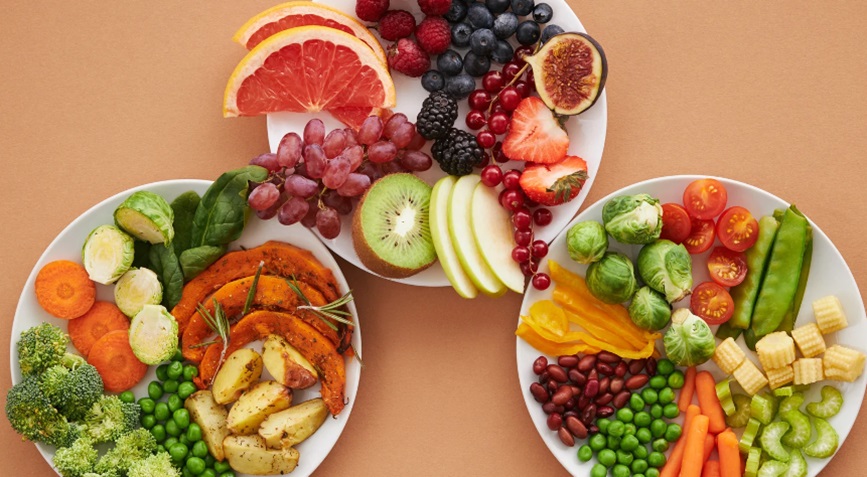
- Allowed Foods: Steamed or soft vegetables, soft fruits, finely shredded chicken, and ground turkey. Soft grains like oatmeal are also permitted in moderation.
- Goals: Start practicing mindful eating by chewing thoroughly and eating slowly to recognize fullness cues. This habit is essential to prevent discomfort or stretching of the stomach over time.
Week 5 and Beyond: Transition to Regular Foods
Around week five, you can gradually transition to a regular diet, focusing on nutrient-dense, low-fat, and high-protein foods that support long-term health and weight management. This stage can also vary depending on your body’s recovery and tolerance.
- Allowed Foods: Lean meats, cooked vegetables, whole grains, and low-sugar fruits. You’ll want to avoid highly processed foods, fried foods, and sugary snacks, as they can disrupt weight loss and lead to digestive issues.
- Goals: Continue to monitor portion sizes and chew food thoroughly.
Long-Term Diet Tips for Success
After fully transitioning to a regular diet, maintaining healthy eating habits is essential for long-term success. Here are a few strategies to support a balanced lifestyle post-surgery:
- Prioritize Protein: Protein intake helps keep you full and maintains muscle mass, especially as you lose weight.
- Limit Sugary and High-Fat Foods: These foods can lead to weight gain and “dumping syndrome,” a condition that can occur after gastric surgery, causing discomfort and other symptoms.
- Stay Hydrated: Drinking enough water is crucial, but remember to sip slowly and avoid drinking large amounts at once.
Conclusion
Following a structured diet after gastric sleeve surgery is key to supporting your recovery, maintaining your health, and optimizing the results of the procedure. By gradually progressing from clear liquids to regular foods, you allow your stomach to heal and adapt. Establishing these healthy habits not only aids in short-term healing but also sets the foundation for long-term weight management and well-being.