
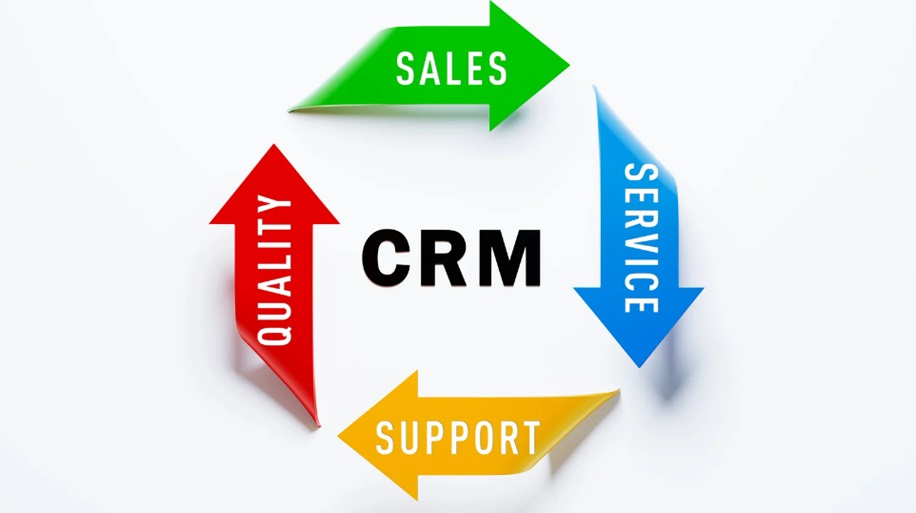

The healthcare industry is constantly changing and evolving, with new technologies and strategies being developed every day. One area that has seen significant growth and adoption in recent years is the use of healthcare CRM (Customer Relationship Management) systems.
These systems are designed to help healthcare organizations manage their interactions and relationships with patients, as well as track and analyze data related to patient feedback and reviews. In this article, we will explore how healthcare CRM can be used specifically for managing patient feedback and reviews.
What is Healthcare CRM?
Before diving into the specifics of managing patient feedback and reviews, it’s important to have a basic understanding of what a healthcare CRM system is. Simply put, a healthcare CRM is a technology platform that helps healthcare organizations manage their interactions with patients throughout the entire care journey.
This includes everything from initial contact and appointment scheduling to post-care follow-up and ongoing communication. The goal of a healthcare CRM is to improve patient satisfaction, engagement, and retention by providing personalized and timely interactions with patients.
The Importance of Patient Feedback and Reviews
Patient feedback and reviews are crucial for the success of any healthcare organization. They provide valuable insights into the overall patient experience, helping organizations identify areas for improvement and tailor their services to better meet patient needs. Additionally, positive reviews and recommendations from satisfied patients can also help attract new patients and improve a healthcare organization’s reputation.
However, the challenge many healthcare organizations face is effectively managing and utilizing this feedback. This is where a healthcare CRM system can be incredibly beneficial.
The Role of Healthcare CRM in Managing Patient Feedback and Reviews
A healthcare CRM system can play a critical role in managing patient feedback and reviews. Here are some key ways it can help:
- Centralized Data Management: A healthcare CRM allows for the collection, organization, and management of all patient feedback and reviews in one central location. This makes it easier to track and analyze data, identify trends, and make informed decisions based on this information.
- Automated Alerts: With a healthcare CRM, organizations can set up automated alerts when patients leave feedback or reviews. This ensures that no valuable feedback goes unnoticed and allows for timely responses and follow-up.
- Personalized Communication: A CRM system enables healthcare organizations to personalize their communication with patients based on their feedback and preferences. This can help improve patient satisfaction and engagement, leading to better reviews and recommendations.
- Data Analysis: By tracking and analyzing patient feedback and reviews, a healthcare CRM can provide valuable insights into areas for improvement. Organizations can use this information to make changes that will ultimately lead to increased patient satisfaction and positive reviews.
Conclusion
In today’s digital age, managing patient feedback and reviews is more important than ever for the success of healthcare organizations. With the benefits a CRM system can provide in the healthcare industry, it’s clear that a healthcare CRM system can be an incredibly valuable tool in this process. By centralizing data management, providing automated alerts, enabling personalized communication, and offering insights through data analysis, a healthcare CRM can help organizations effectively manage patient feedback and reviews for improved patient satisfaction and overall success. So, if you haven’t already implemented a healthcare CRM system in your organization, now is the time to consider doing so.